
A photo shared online this weekend has sparked a difficult conversation among cruise passengers and Alaska residents alike.
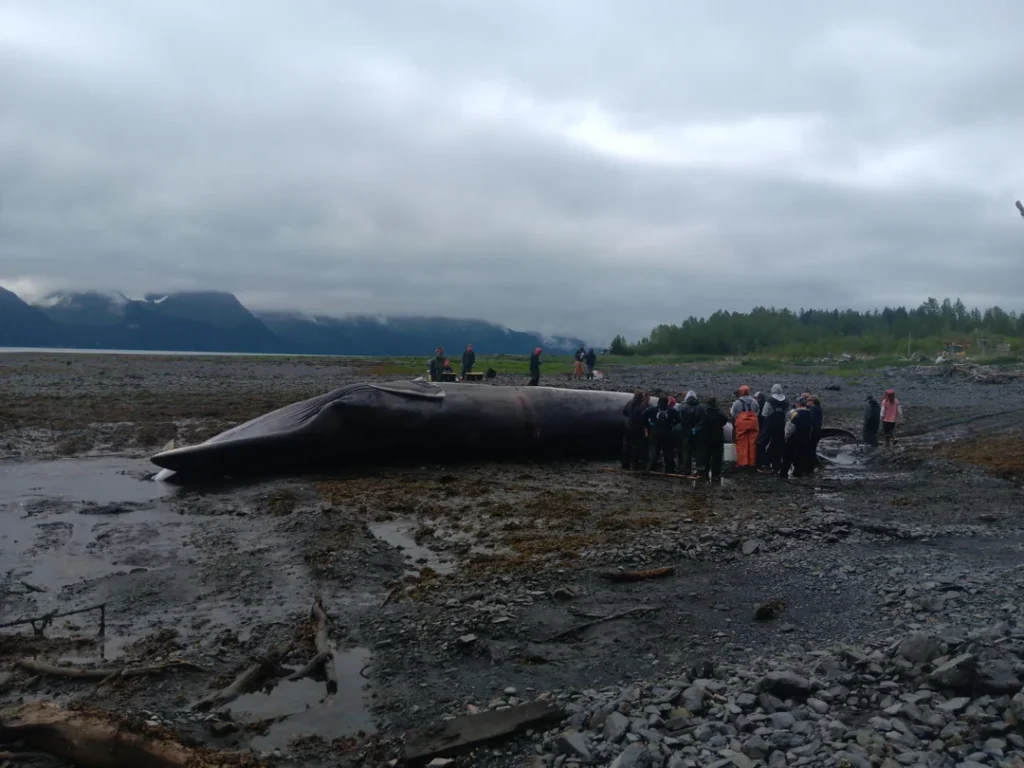
The image, posted on Reddit, appears to show a deceased fin whale draped across the bow of Royal Caribbean’s Ovation of the Seas as the ship arrived in Seward, Alaska. The post quickly gained attention, with many expressing sadness at the sight and questioning how such incidents happen.
The timing is particularly notable. Ovation of the Seas is spending its first season homeporting from Seward following the opening of the city’s brand-new cruise terminal, a major investment designed to accommodate larger cruise ships and increase visitor numbers to the region.
Royal caribean Ovation of the sea struck and killed a fin whale near Seward Alaska
by u/pizzaboy420 in Cruise
How Does a Whale Get Hit by a Cruise Ship?
One of the most common questions raised online was surprisingly simple: how can a whale fail to avoid a ship that moves relatively slowly?
Marine experts have long warned that whale strikes remain a challenge for commercial shipping worldwide. Large vessels create significant underwater noise and pressure changes that can make it difficult for whales to accurately judge a ship’s position and speed. Several commenters pointed to what’s often referred to as the “bow null effect”, where whales may not detect an approaching vessel until it’s too late.
While incidents involving cruise ships attract headlines, whale strikes are not unique to the cruise industry. Cargo ships, ferries, tankers and other commercial vessels have all been involved in similar encounters over the years.
A Difficult Balance in Alaska
Alaska’s cruise industry continues to grow, bringing thousands of visitors to communities that rely heavily on tourism during the short summer season.
Royal Caribbean‘s investment in Seward reflects that growth. The cruise line recently celebrated the opening of a new terminal, allowing larger ships such as Ovation of the Seas to operate from the town for the first time.
But the whale strike has also reignited discussions around the environmental impact of larger ships operating in wildlife-rich regions. Some local residents responding online expressed concern about the increasing number of visitors arriving on mega ships, while others stressed that determining exactly how and when the whale was struck will require further investigation.
What Happens Next?
At the time of writing, there has been no indication that the incident affected the ship’s operations or its scheduled Alaska cruises.
Questions will inevitably be asked about whether additional measures could reduce the risk of future whale strikes. Around the world, shipping operators already use a range of mitigation strategies, including speed restrictions in sensitive areas, route adjustments and enhanced wildlife monitoring.
For many cruise passengers, however, the image serves as a sobering reminder that even as we explore some of the world’s most spectacular destinations, ships operate in environments shared with wildlife.
It’s a story that goes far beyond one cruise line or one ship. It highlights the ongoing challenge of balancing tourism, commerce and conservation in places as wild and beautiful as Alaska.